
www.ptreview.co.uk
23
'26
Written on Modified on
Integrating Advanced Automation in Roll Grinder Modernization
Pomini Tenova has expanded its collaboration with Siemens to implement updated automation systems and digital infrastructure for the modernization of industrial roll grinding machines.
www.siemens.com
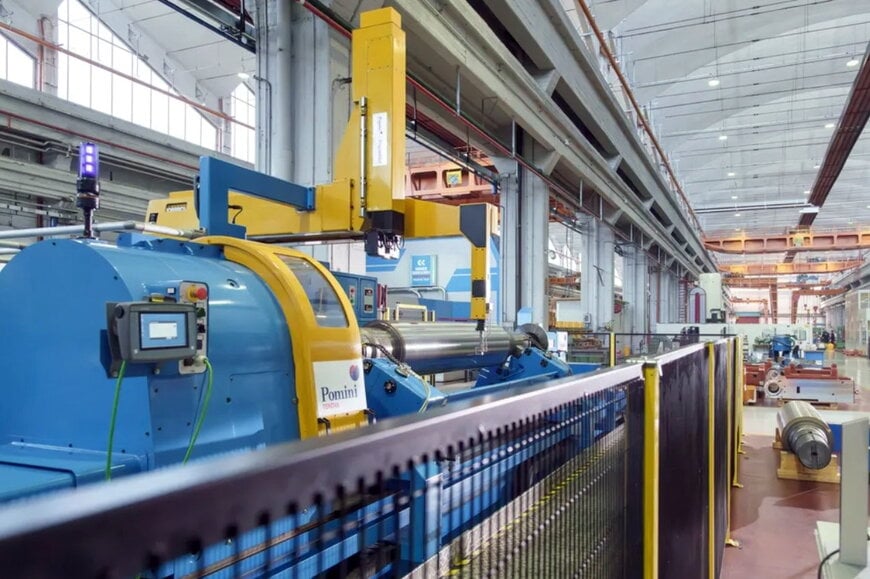
Roll grinding machines in the steel and metal processing industries require precise operational control to maintain strict surface quality standards over extended lifecycles. As mechanical components often outlast their original electronic control systems, industrial operators face challenges regarding legacy software compatibility, cybersecurity vulnerabilities, and the integration of predictive maintenance capabilities. To address the complexity of upgrading these systems without replacing entire machine structures, Pomini Tenova integrates its original equipment manufacturer (OEM) process knowledge with Siemens' control and drive technologies.
Technical Solution and System Architecture
The technical solution focuses on upgrading the machine core using computer numerical control (CNC) architectures alongside advanced drive and automation technology. The integration replaces legacy hardware with modern control systems capable of managing complex grinding profiles and inspection parameters.
The responsibilities are divided based on technical specialization:
- Pomini Tenova provides the process-specific mechanical upgrades, roll inspection systems, and automation logic tailored to roll shop operations.
- Siemens supplies the CNC hardware, digital twin simulation environments, and integrated safety and cybersecurity protocols designed for machine tools.
The architecture utilizes digital monitoring and diagnostic tools to enable data collection from the grinding process. By combining industrial automation components with industrial AI-based features, the system processes operational parameters to perform continuous process optimization and execute predictive maintenance protocols.
Implementation and Operational Impact
The modernization framework is deployed directly onto existing customer infrastructure via systematically planned revamping phases. During the implementation, Siemens utilizes comprehensive digital twin software to simulate machine behavior, validate CNC code, and test safety logic prior to physical commissioning on the shop floor. This methodology minimizes operational downtime during the transition phase.
The integration of these modern control interfaces with existing mechanical structures establishes a path toward fully autonomous operation. This technical transition provides distinct operational benefits:
Implementation and Operational Impact
The modernization framework is deployed directly onto existing customer infrastructure via systematically planned revamping phases. During the implementation, Siemens utilizes comprehensive digital twin software to simulate machine behavior, validate CNC code, and test safety logic prior to physical commissioning on the shop floor. This methodology minimizes operational downtime during the transition phase.
The integration of these modern control interfaces with existing mechanical structures establishes a path toward fully autonomous operation. This technical transition provides distinct operational benefits:
- Process Stability: Real-time adjustments via CNC systems ensure consistent grinding quality throughout the component operating life.
- Asset Longevity: Upgrading the electronic control core safeguards existing mechanical investments and extends the total machine lifecycle.
- Maintainability: Sensor integration combined with AI diagnostics shifts maintenance schedules from reactive to predictive models, minimizing unscheduled downtime.
