
www.ptreview.co.uk
16
'26
Written on Modified on
Integration of Artificial Intelligence for the Optimization of Computer-Aided Design
PTC's new software integrates a conversational virtual assistant to guide engineers in the development of complex products.
www.ptc.com
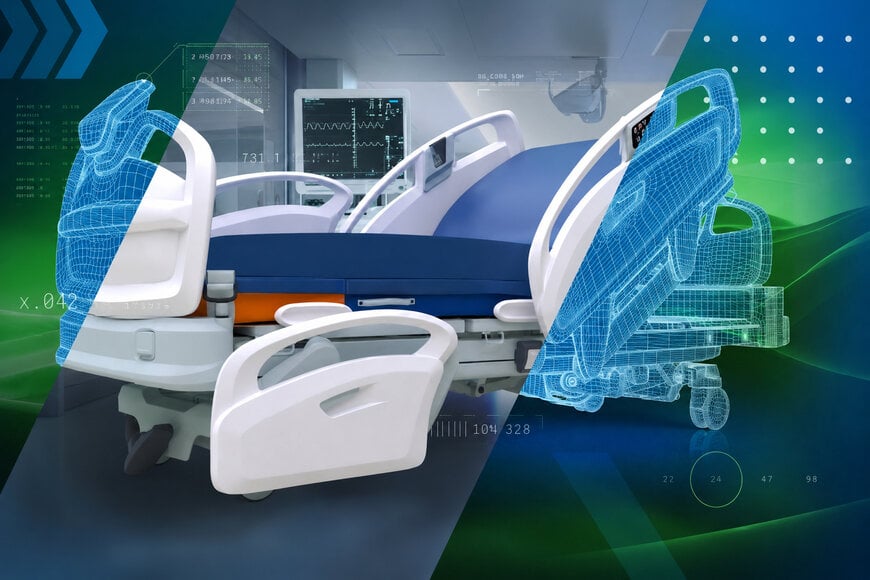
The release of this software update addresses the optimization needs of mechanical and electrical engineering teams facing the increasing complexity of industrial assemblies. Integrating artificial intelligence into the computer-aided design (CAD) environment enables automated analysis of three-dimensional models to detect structural anomalies before the manufacturing phase. This approach applies to a wide range of industries, including automotive, aerospace, and the design of embedded electronic equipment. The enhanced tools facilitate the management of sheet metal parts, composite structures, and cable routing.
Technical Architecture of the Virtual Assistant and Assembly Performance
The software solution is based on a conversational interface that provides direct recommendations based on engineering best practices, eliminating the need to consult external documentation. At the same time, technical data management processes have been optimized. Loading large files from the Windchill Product Lifecycle Management (PLM) system is up to 70% faster, reducing latency when handling large assemblies. For advanced materials, the algorithms used to calculate transitions in composite structures execute up to 60 times faster than in previous versions, ensuring smooth reuse of design logic through simple duplication features.
Validation Through Multiphysics Simulation and Advanced Manufacturing
The software incorporates extended numerical simulation tools to assess structural and thermal risks in assemblies containing electronic components. The generative design module now supports multiphysics scenarios as well as new types of loads and physical constraints. To streamline the transition to production, the system expands 5-axis machining path options and optimizes mold design, helping to reduce manufacturing cycles while ensuring the geometric quality of components. The solution was publicly presented during the PTC NEXT event held in Chicago on June 9 and 10, 2026.
Additional Information:This section presents technical specifications and competitive analyses that were not included in the original product announcement.
In the computer-aided design software sector, performance is measured by the speed of simulation mesh calculations and the efficiency of managing complex assemblies. Compared with competing solutions such as Dassault Systèmes SolidWorks and Siemens NX, this version's cloud-based and on-premises architecture stands out due to the native integration of a machine-learning engine directly into the geometric kernel, eliminating the need for third-party modules for predictive tolerance defect analysis.
Written by Sucithra Mani, editor at Induportals – adapted with the assistance of artificial intelligence.
www.ptc.com
