
www.ptreview.co.uk
21
'26
Written on Modified on
Decentralized Servo Motion in Industrial Robotics
Murrelektronik partnered with Danfoss to integrate decentralized servo drives directly onto an articulated industrial robot.
www.murrelektronik.com
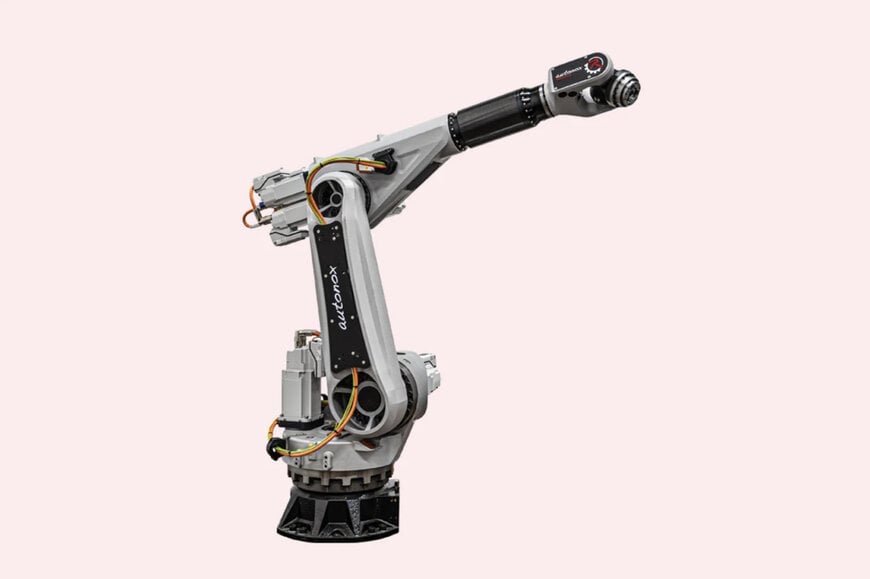
6-axis industrial robot driven by the VLT® Integrated Servo Drive ISD® 520.
Application Area: Robotic Automation and Motion Control
Industry Sector: Industrial Automation and Machinery Manufacturing
Murrelektronik, a developer of decentralized automation architectures, initiated a strategic engineering project to eliminate conventional control cabinet constraints in robotics by deploying the Danfoss VLT FlexMotion platform. Implemented as an extension of the Vario-X system and supported by mechanics specialist autonox Robotics, the initiative applied decentralized motion hardware directly onto a six-axis industrial manipulator intended for assembly, handling, dispensing, and welding applications.
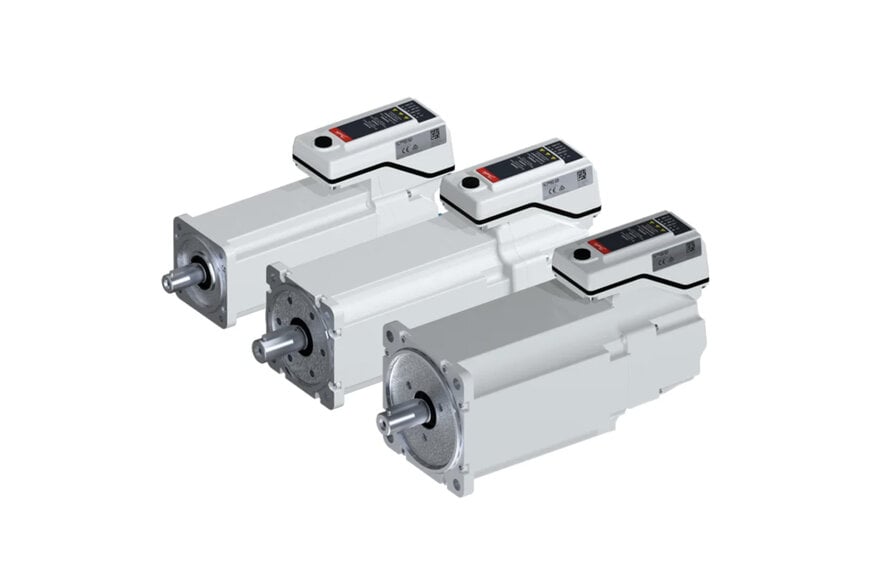
Variants of the VLT® Integrated Servo Drive ISD® 520 are integrated into the robotic arm.
Operational Constraints in Centralized Robotic Architectures
Standard industrial robot installations mount multi-axis servo drives and control units inside a central enclosure. This layout requires discrete power and feedback cabling for every motor, creating dense cable bundles, high copper volume, and extensive installation overhead. In modular plant engineering, these centralized enclosures restrict floor layouts and limit machine reconfigurability. Murrelektronik required a drive solution robust enough to mount directly on moving robot joints, integrating precise dynamic control, functional safety protocols, and open industrial fieldbus communication.
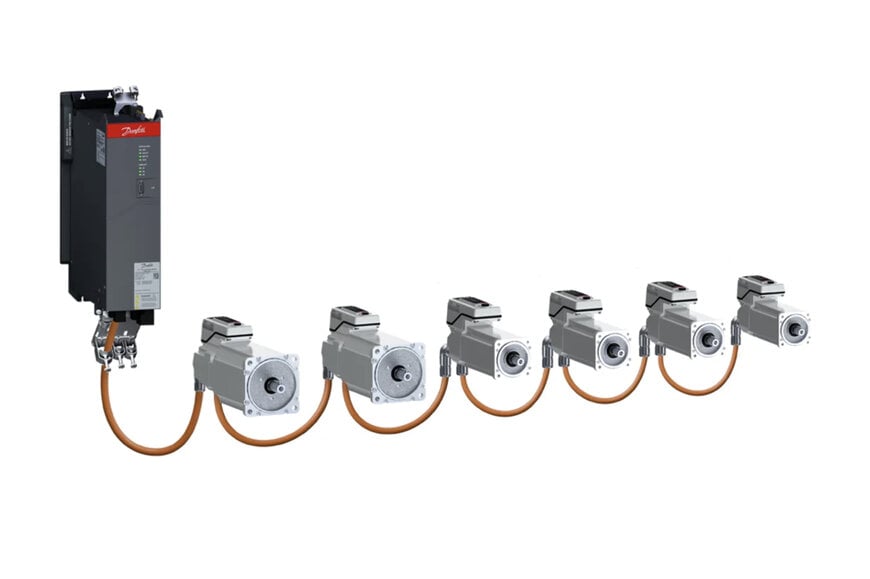
Illustration of the VLT® FlexMotion system architecture used in the robotic arm: a single VLT® Power Supply Module PSM 520 with an integrated Decentral Access Module (DAM) option board powers all decentralized servo drives via daisy chain cabling.
Integrated Servo Drive Implementation
To decentralize motion control, engineers implemented Danfoss VLT Integrated Servo Drive ISD 520 units alongside a VLT Power Supply Module PSM 520 and a Decentral Access Module. The ISD 520 combines the permanent-magnet servo motor and drive electronics into a single housing, utilizing silicon carbide power components to optimize thermal efficiency on the mechanical arm. A single hybrid cable distributes direct-current bus power and real-time communication across the axes in a daisy-chain topology. This architecture replaces separate motor feedback lines and point-to-point power wiring while interfacing natively with Murrelektronik PLC systems.
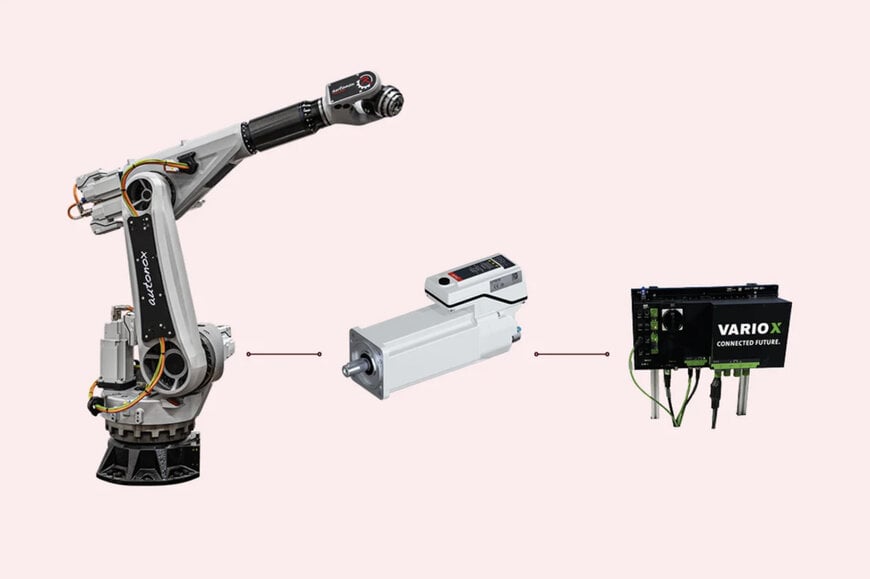
The decentralized automation architecture combines the Vario-X unit from Murrelektronik with servo drives from Danfoss mounted directly on the robotic arm.
Safety and Motion Control Functionality
The technical selection focused on safety logic and real-time communication requirements. Marco Bosch, Global Head of Solution Engineering at Murrelektronik, explained that basic protection functions fall short in dynamic tooling: "For modern robotic applications, Safe Torque Off alone is not enough. We need advanced safe motion functions that allow us to combine flexibility, productivity, and machine safety." The drive platform incorporates integrated safety brakes and certified safety functions directly at the motor shaft, preventing gravitational drop and controlling axis velocity without external safety hardware.
Quantifiable Footprint and Cabling Reductions
The decentralized motion concept decreased overall control cabinet footprint requirements by 60 percent. Eliminating individual drive-to-motor wire runs through daisy-chain hybrid cabling reduced total cable length by up to 80 percent, lowering thermal losses, material costs, and mechanical wear along dynamic cable tracks. The shared architecture delivers a scalable design framework for machine builders seeking modular assembly cells with minimal centralized enclosures.
Edited by Natania Lyngdoh, Induportals editor, with AI assistance.
www.my.murrelektronik.com
Application Area: Robotic Automation and Motion Control
Industry Sector: Industrial Automation and Machinery Manufacturing
Murrelektronik, a developer of decentralized automation architectures, initiated a strategic engineering project to eliminate conventional control cabinet constraints in robotics by deploying the Danfoss VLT FlexMotion platform. Implemented as an extension of the Vario-X system and supported by mechanics specialist autonox Robotics, the initiative applied decentralized motion hardware directly onto a six-axis industrial manipulator intended for assembly, handling, dispensing, and welding applications.
Variants of the VLT® Integrated Servo Drive ISD® 520 are integrated into the robotic arm.
Operational Constraints in Centralized Robotic Architectures
Standard industrial robot installations mount multi-axis servo drives and control units inside a central enclosure. This layout requires discrete power and feedback cabling for every motor, creating dense cable bundles, high copper volume, and extensive installation overhead. In modular plant engineering, these centralized enclosures restrict floor layouts and limit machine reconfigurability. Murrelektronik required a drive solution robust enough to mount directly on moving robot joints, integrating precise dynamic control, functional safety protocols, and open industrial fieldbus communication.
Illustration of the VLT® FlexMotion system architecture used in the robotic arm: a single VLT® Power Supply Module PSM 520 with an integrated Decentral Access Module (DAM) option board powers all decentralized servo drives via daisy chain cabling.
Integrated Servo Drive Implementation
To decentralize motion control, engineers implemented Danfoss VLT Integrated Servo Drive ISD 520 units alongside a VLT Power Supply Module PSM 520 and a Decentral Access Module. The ISD 520 combines the permanent-magnet servo motor and drive electronics into a single housing, utilizing silicon carbide power components to optimize thermal efficiency on the mechanical arm. A single hybrid cable distributes direct-current bus power and real-time communication across the axes in a daisy-chain topology. This architecture replaces separate motor feedback lines and point-to-point power wiring while interfacing natively with Murrelektronik PLC systems.
The decentralized automation architecture combines the Vario-X unit from Murrelektronik with servo drives from Danfoss mounted directly on the robotic arm.
Safety and Motion Control Functionality
The technical selection focused on safety logic and real-time communication requirements. Marco Bosch, Global Head of Solution Engineering at Murrelektronik, explained that basic protection functions fall short in dynamic tooling: "For modern robotic applications, Safe Torque Off alone is not enough. We need advanced safe motion functions that allow us to combine flexibility, productivity, and machine safety." The drive platform incorporates integrated safety brakes and certified safety functions directly at the motor shaft, preventing gravitational drop and controlling axis velocity without external safety hardware.
Quantifiable Footprint and Cabling Reductions
The decentralized motion concept decreased overall control cabinet footprint requirements by 60 percent. Eliminating individual drive-to-motor wire runs through daisy-chain hybrid cabling reduced total cable length by up to 80 percent, lowering thermal losses, material costs, and mechanical wear along dynamic cable tracks. The shared architecture delivers a scalable design framework for machine builders seeking modular assembly cells with minimal centralized enclosures.
Edited by Natania Lyngdoh, Induportals editor, with AI assistance.
www.my.murrelektronik.com
